

Nihon Netsugen Systems
A Japanese pioneer in natural refrigerant technology, delivering innovative CO₂ and heat pump solutions for industrial refrigeration since 1987.
since 2023 · GWP 20
in 2025 · GWP 20
in 2025
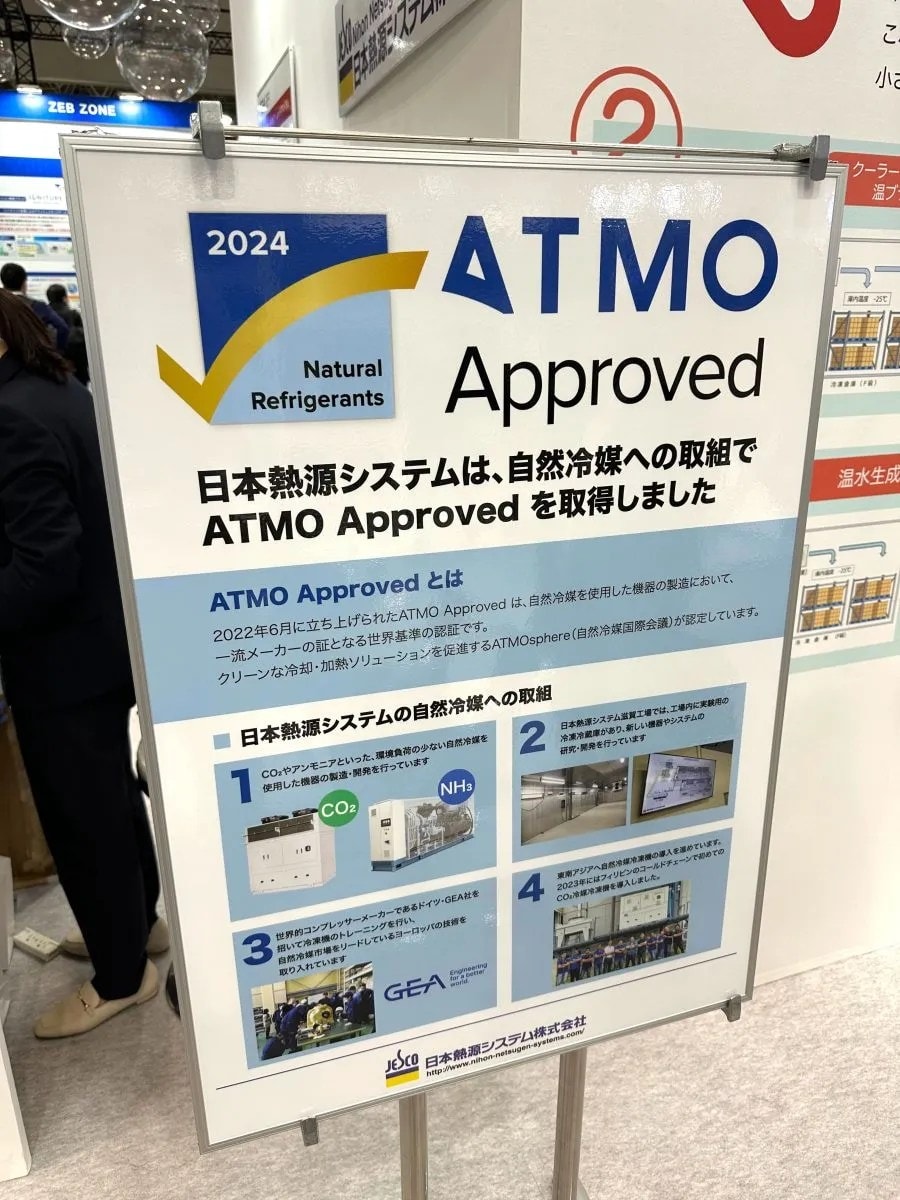
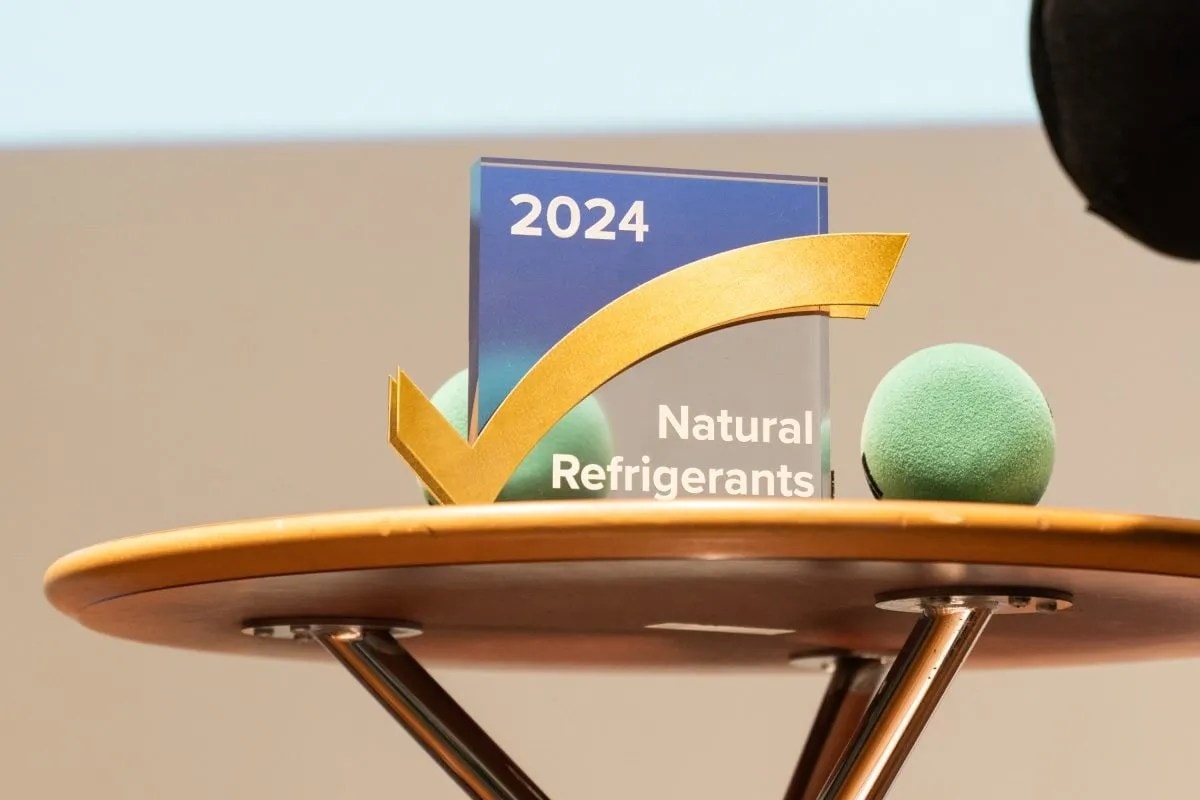
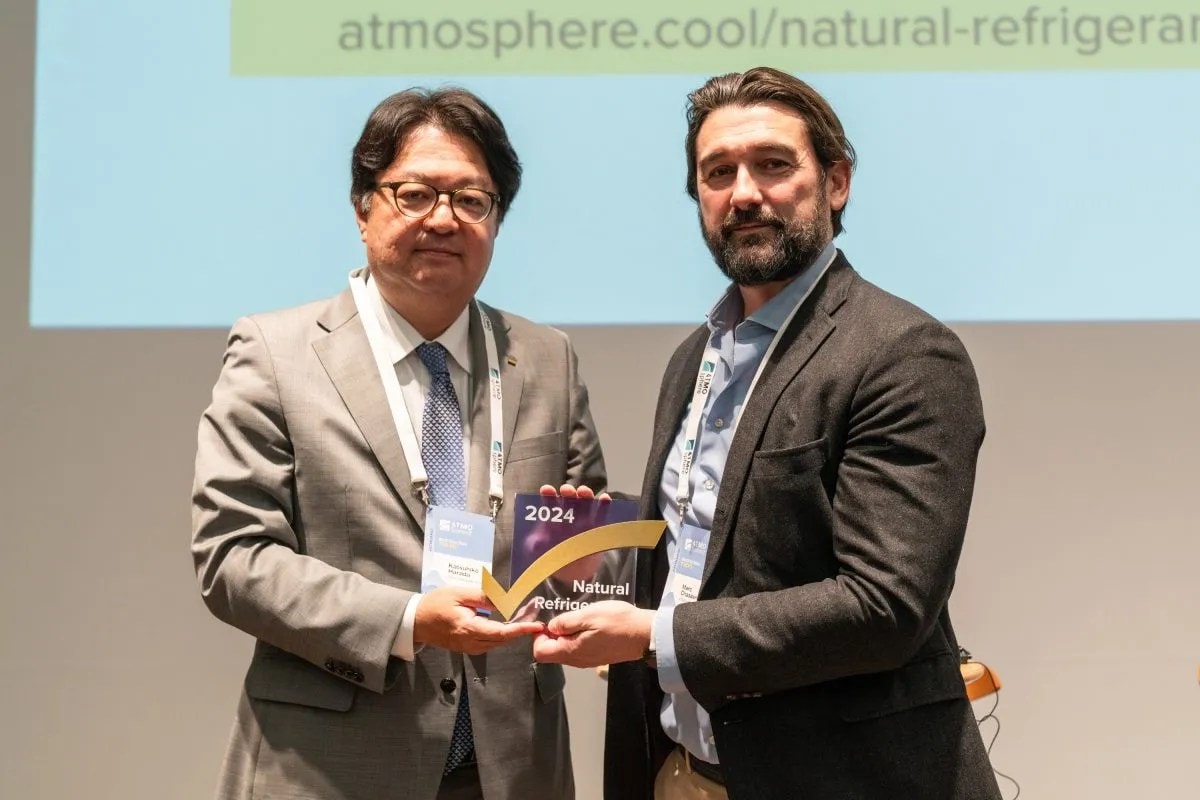
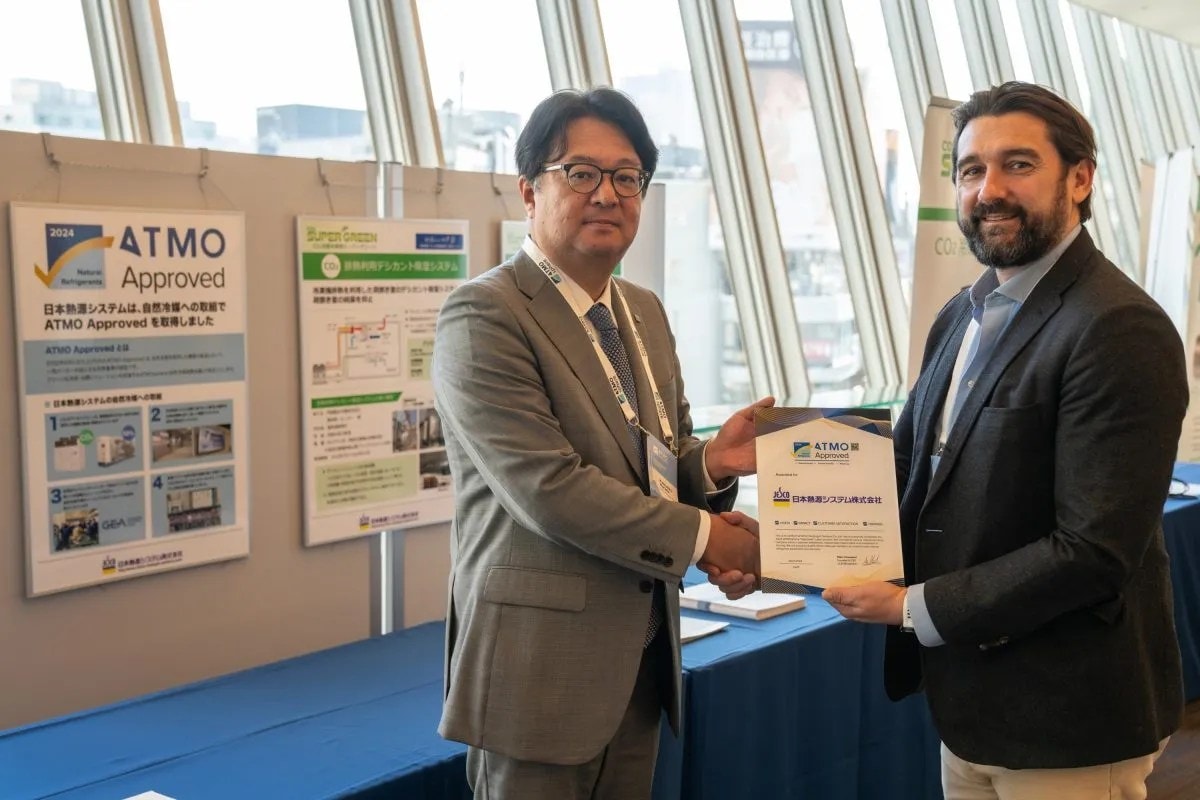
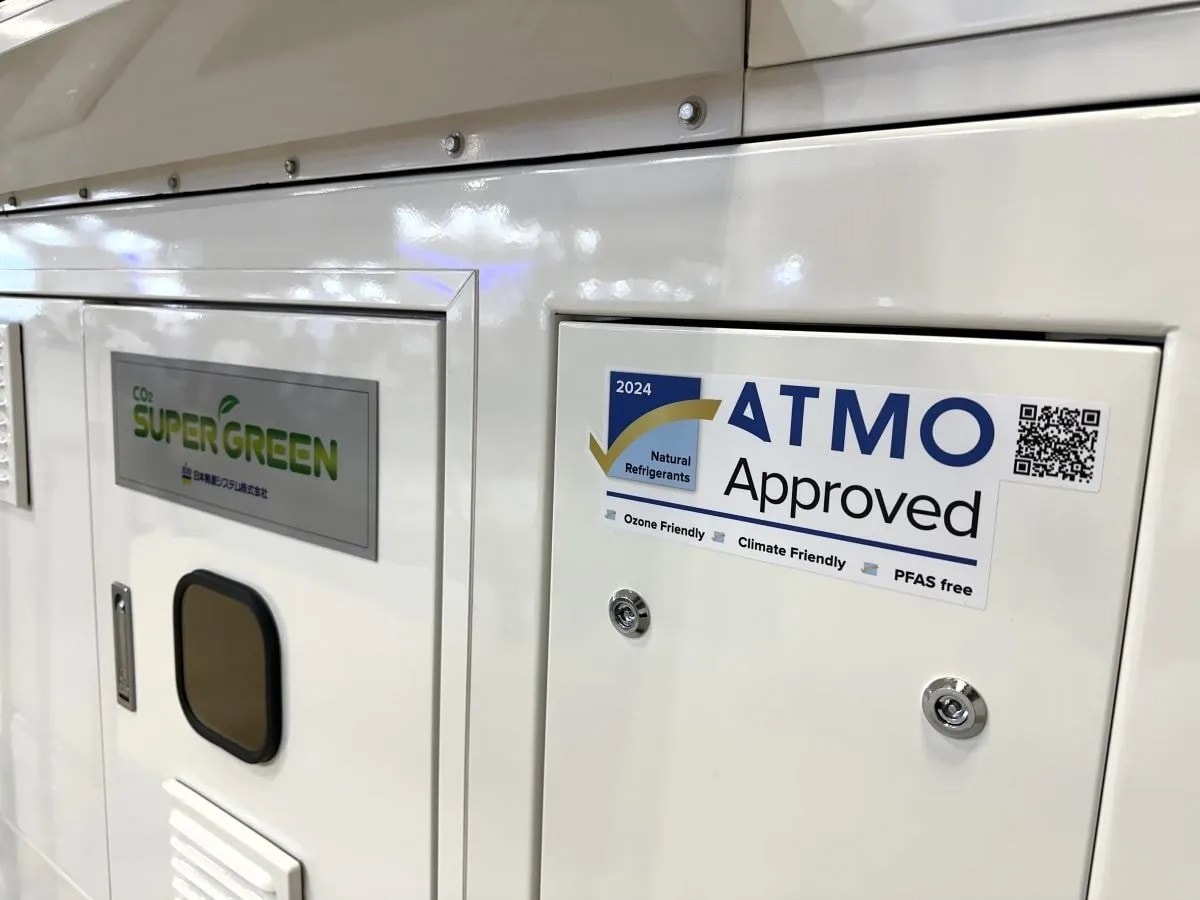
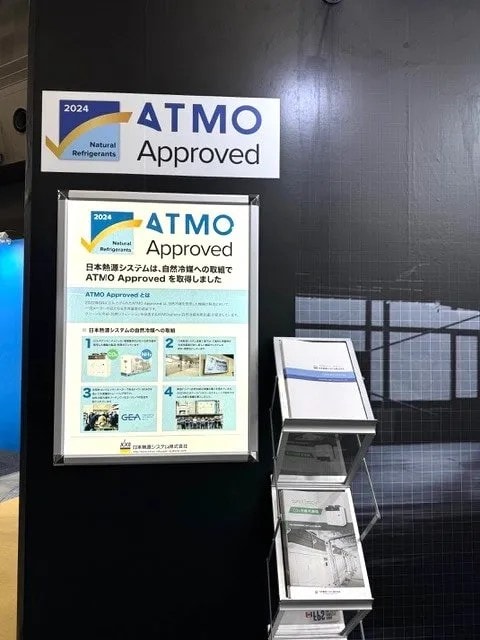
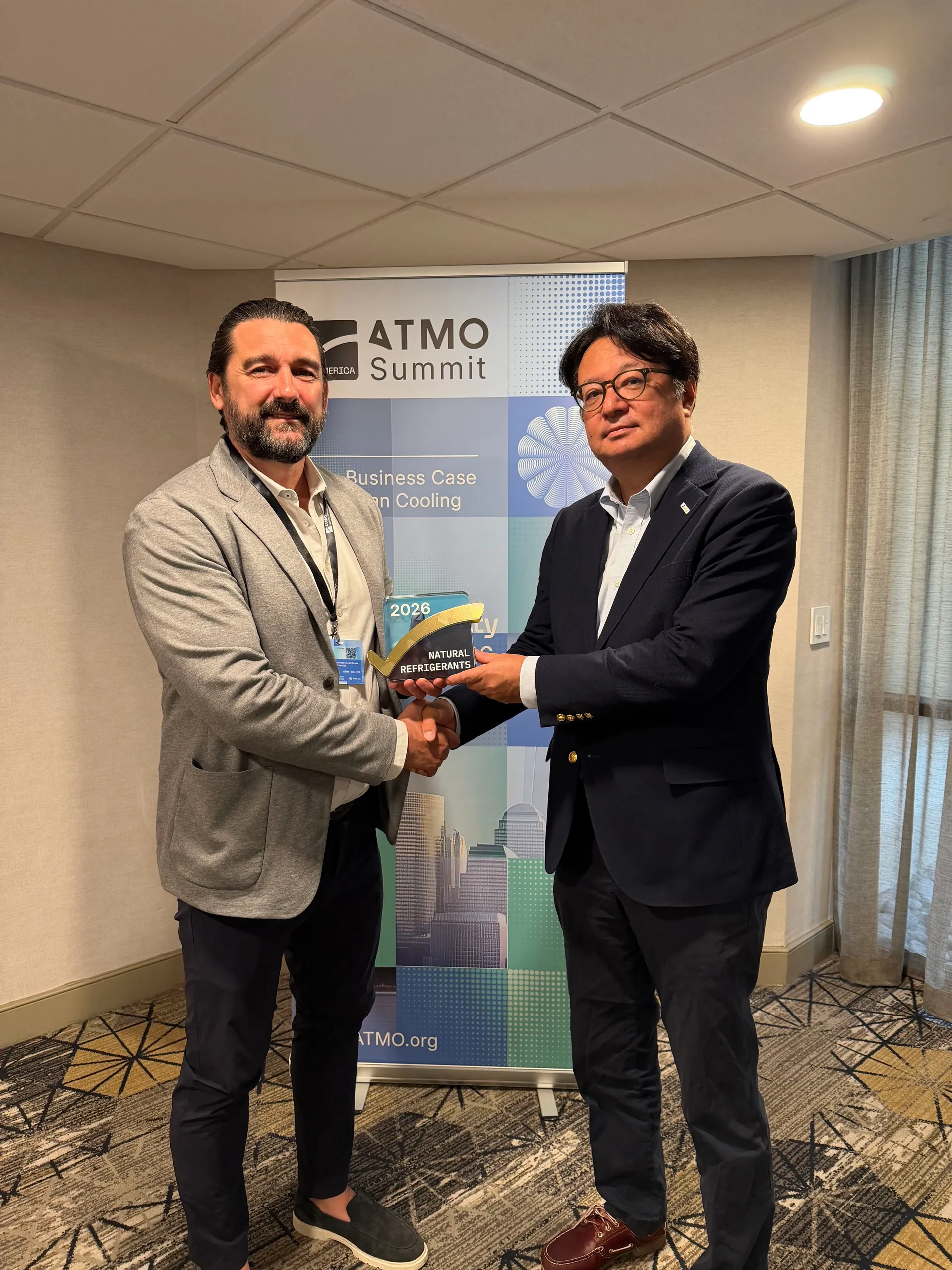
ATMO Approved
Why this matters
Most refrigeration runs on chemicals that warm the planet, or quietly poison it.
HFCs warm the atmosphere up to 14,000× more than CO₂. Their HFO replacements break down into TFA, a forever chemical now detectable in rain, ice, and human blood.
The answer
CO₂, ammonia, hydrocarbons. Proven for over a century. They don't warm the planet, and they don't leave a forever chemical behind.
Natural refrigerants avoid both.
A year of avoided emissions, made visible.
GHG emissions Nihon Netsugen Systems avoided over the lifetime of 2025's equipment placed in the market.
What it adds up to.



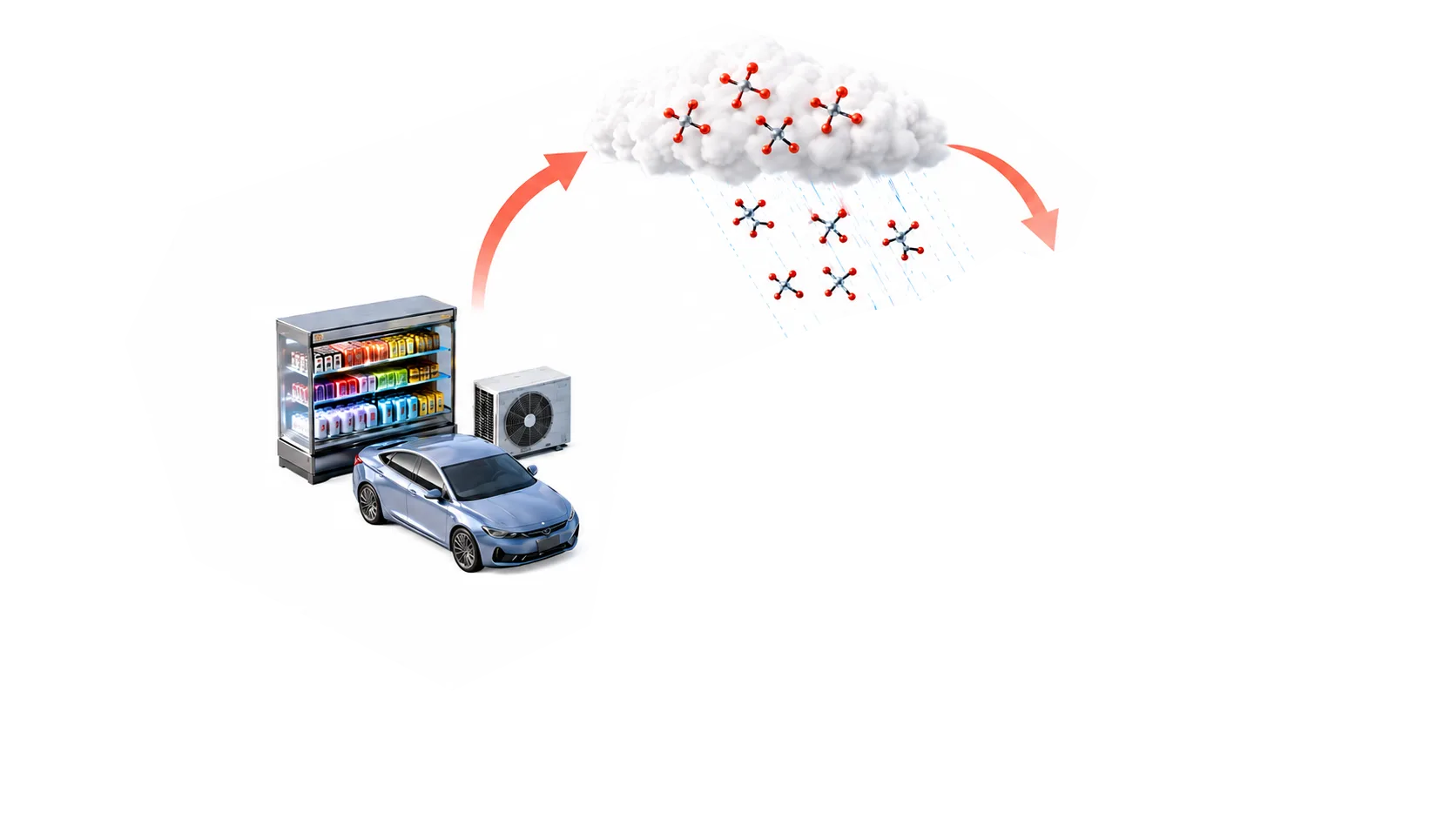
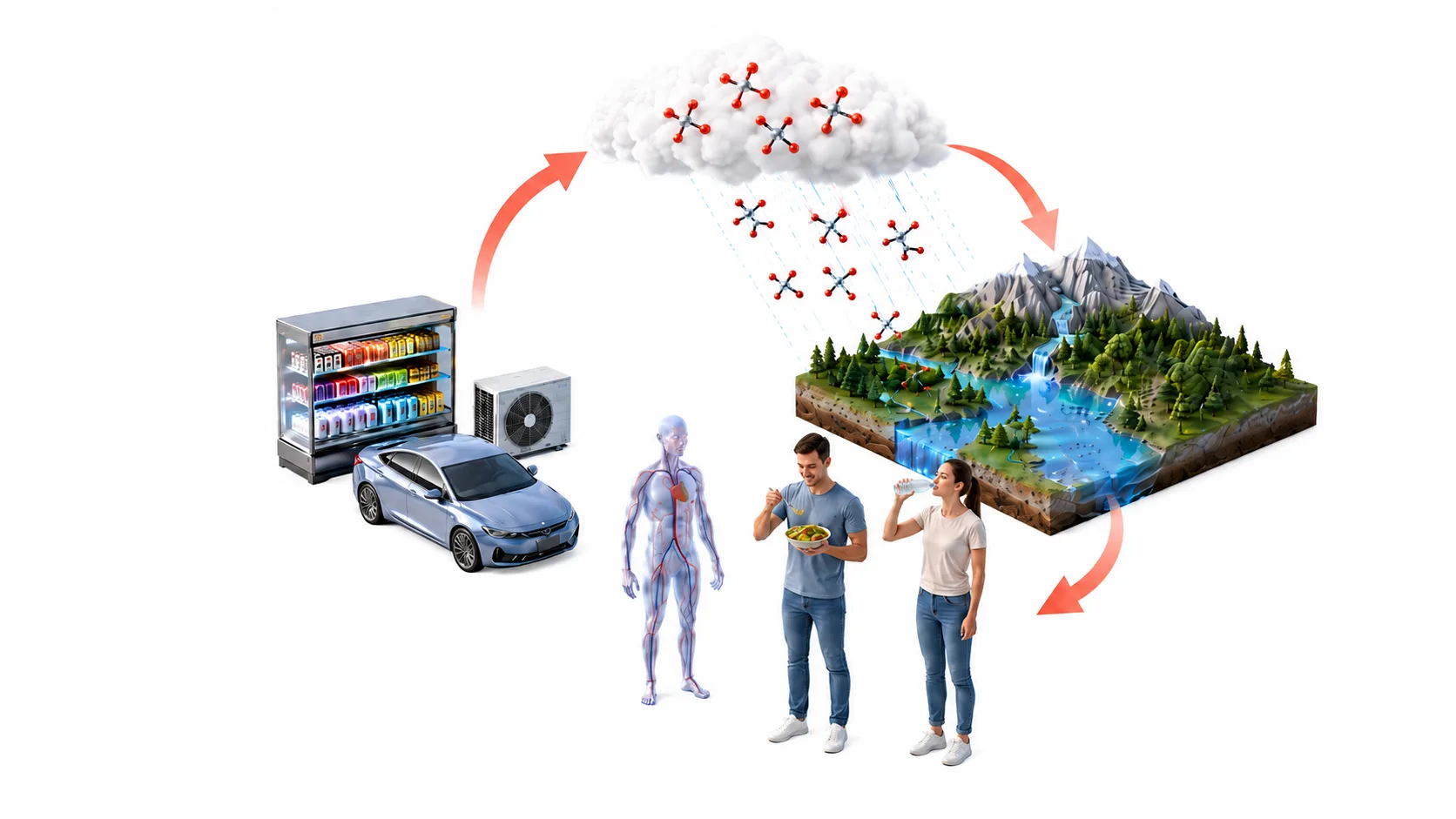
TFA: the forever chemical you haven't heard of.
Trifluoroacetic acid is an ultra-short-chain PFAS that forms as a breakdown product of synthetic refrigerants and accumulates in rainwater. Natural refrigerants don't break down into TFA.
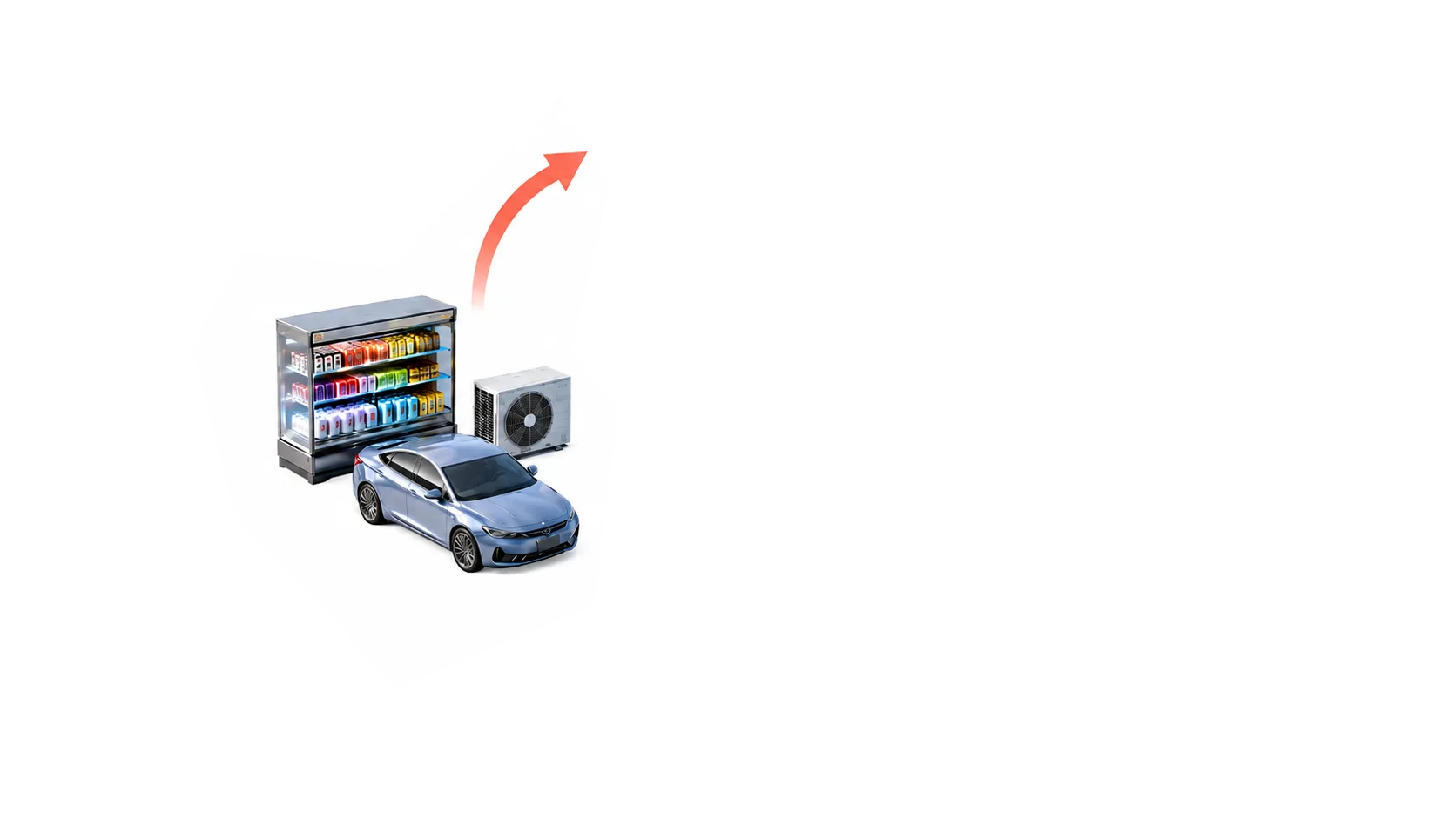
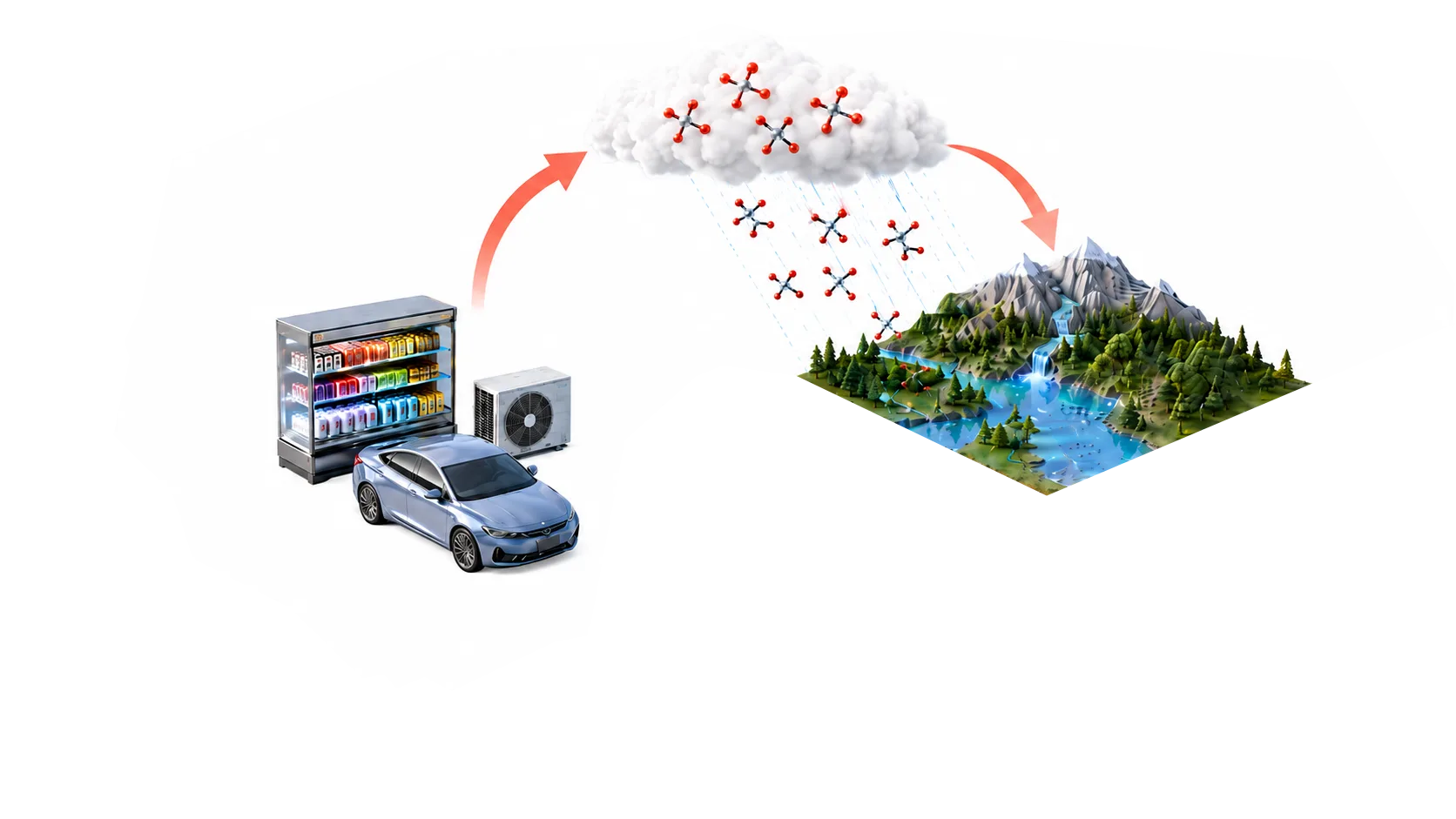
Stage 1 · Emission
HFCs and HFOs leak from refrigeration systems.
Synthetic refrigerants escape over the lifetime of every system: installation, service, end-of-life. The leaks are small, but they add up across millions of installations worldwide.
Growth
Cumulative avoided CO₂e emissions over the years.
Nihon Netsugen Systems has been ATMO Approved since 2024, now 3 consecutive years of independently verified impact.
In the words of the people who built it.
Our CO₂ refrigeration systems are gaining momentum in Japan and Southeast Asia, and our leadership in natural refrigerant technology is a critical business driver. ATMOApproved certification is essential to our growth strategy and long-term competitiveness.
Nihon Netsugen Systems: company profile.
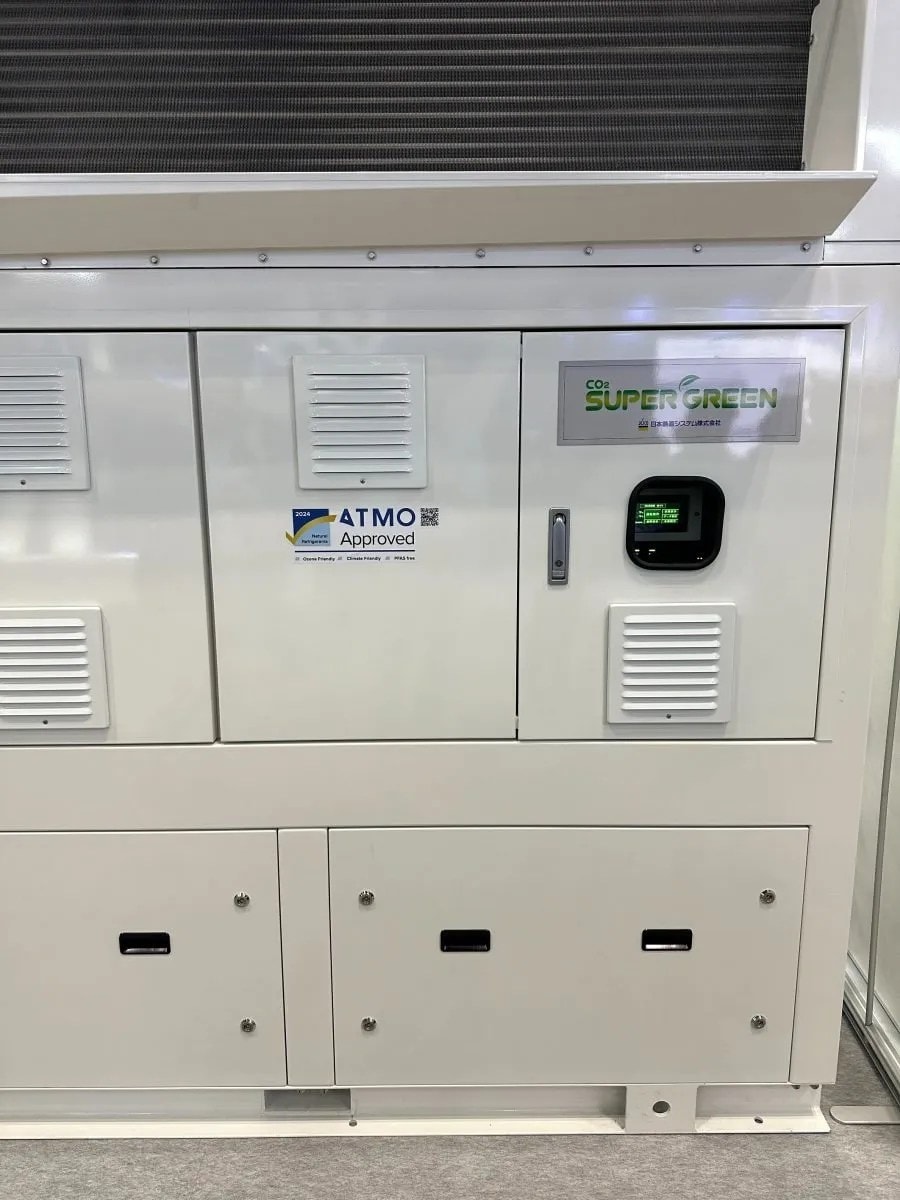
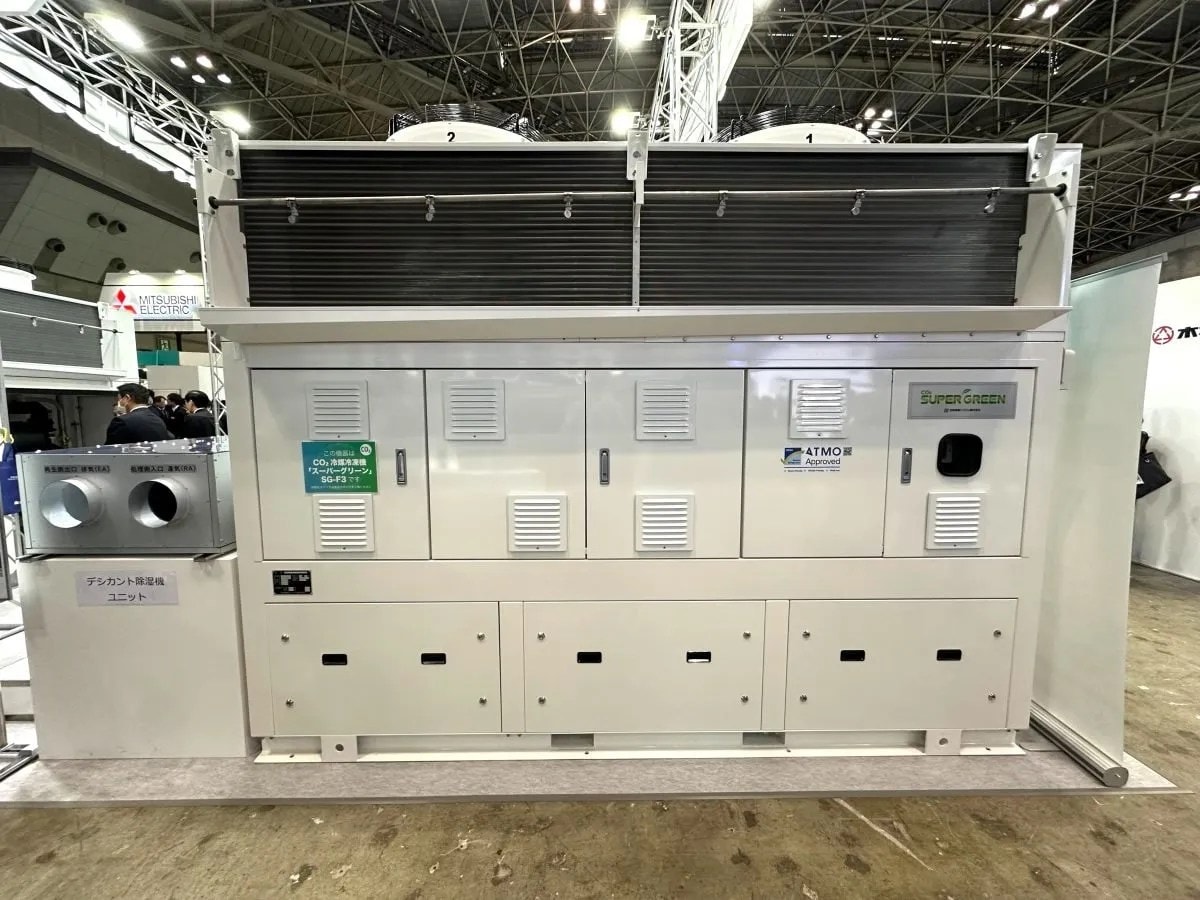
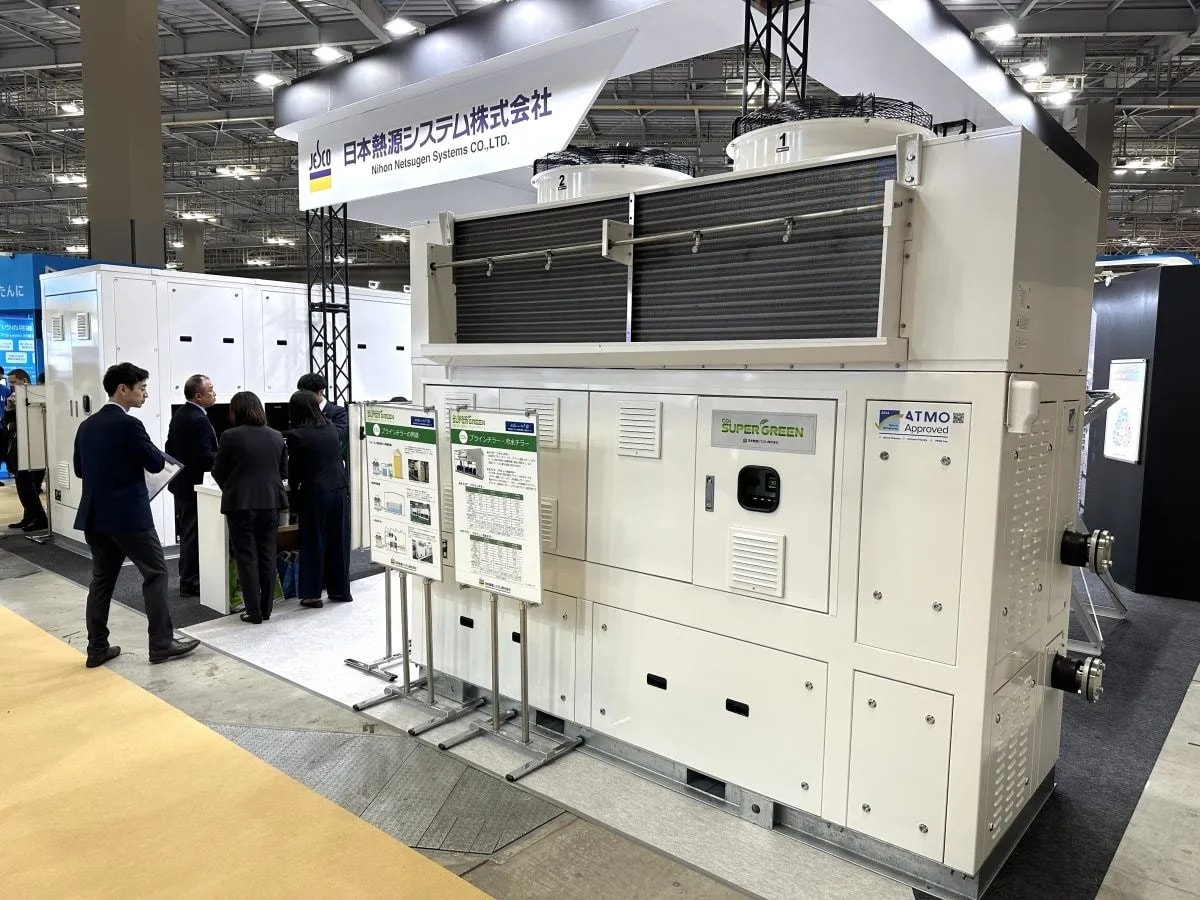
Founded in 1987, Nihon Netsugen Systems has grown into one of Japan's leading companies in large-size heat pumps and industrial refrigeration. In 1999, the company established a partnership with GEA in Germany, and in 2012 began R&D of CO₂ condensing units, with a focus on achieving stable performance in hot summer climates while delivering year-round energy savings. This effort led to the 2015 launch of the "Super Green" — the company's first CO₂ condensing unit — in the Japanese market. Nihon Netsugen Systems remains committed to science-driven innovation, actively contributing to SDGs and carbon neutrality through the continued development of the Super Green series.
Work with Nihon Netsugen Systems
Tell us about your project. We'll route the conversation to the right team.
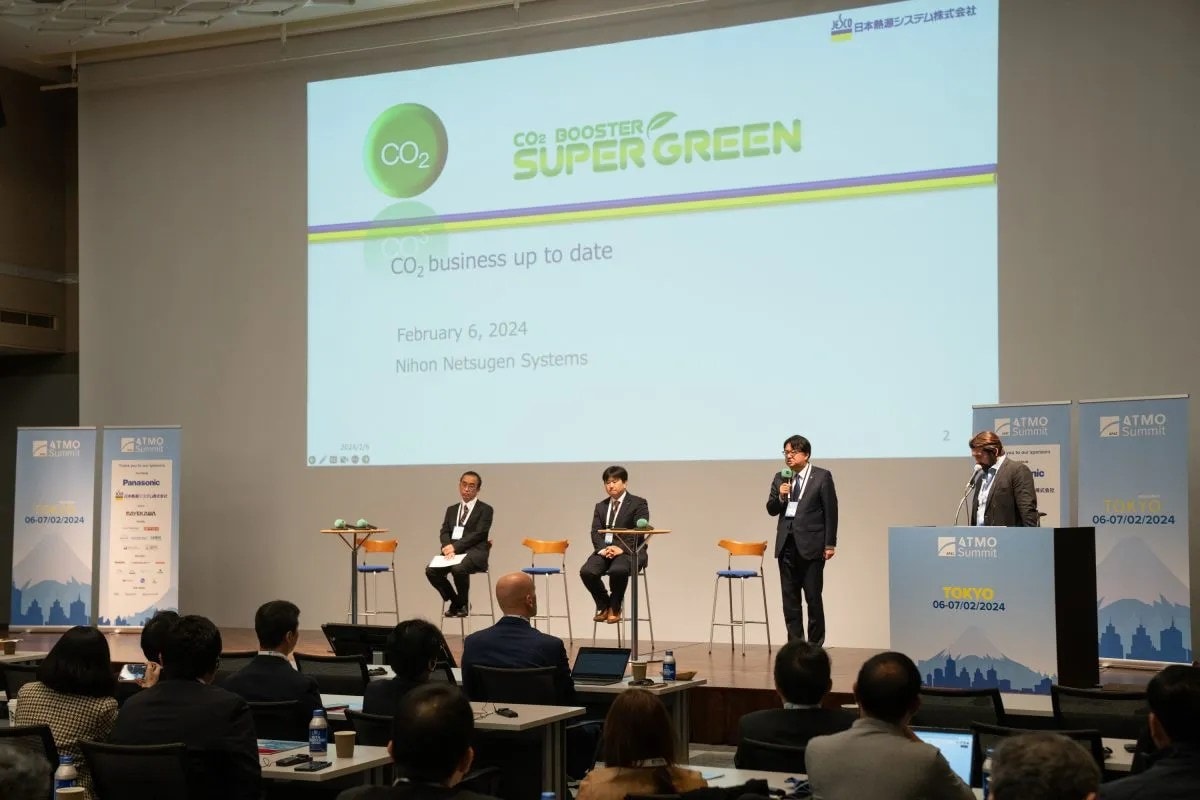
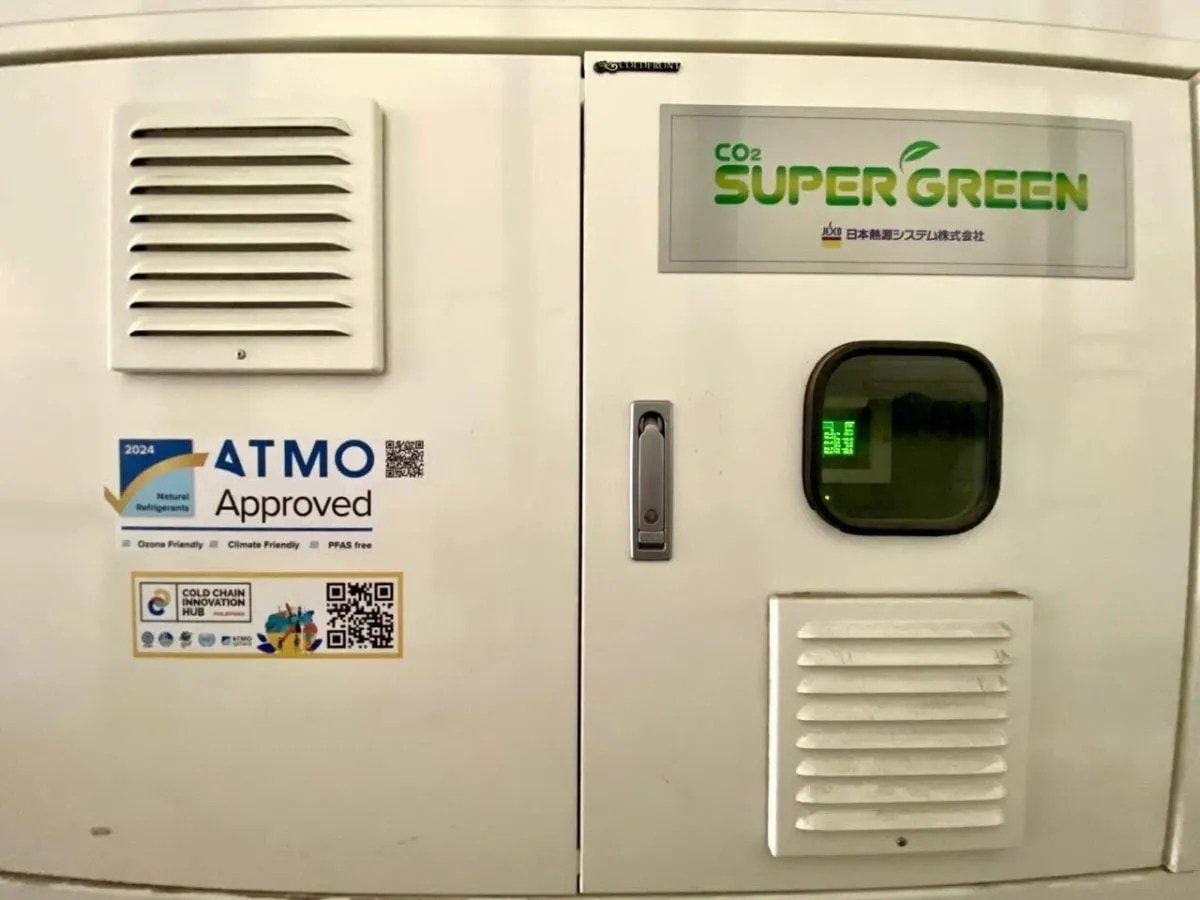
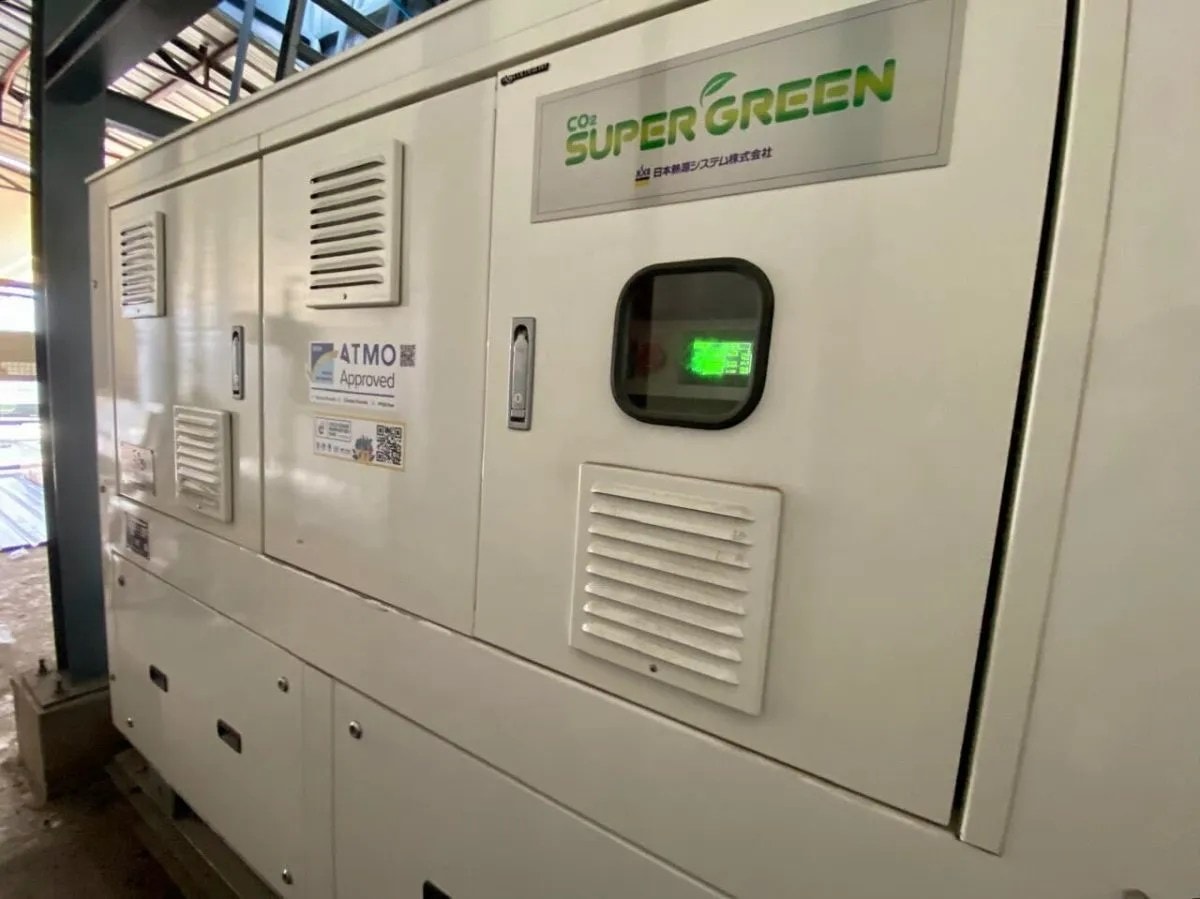
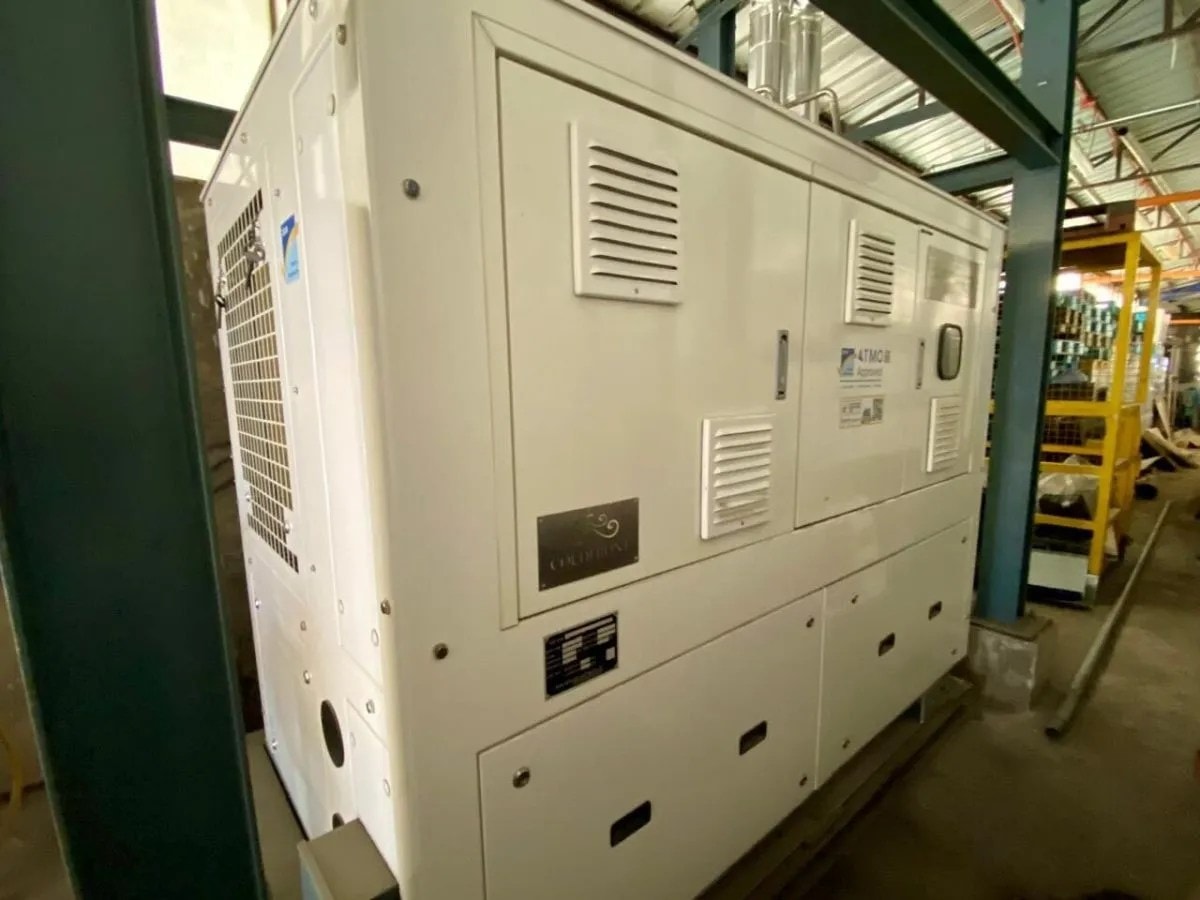
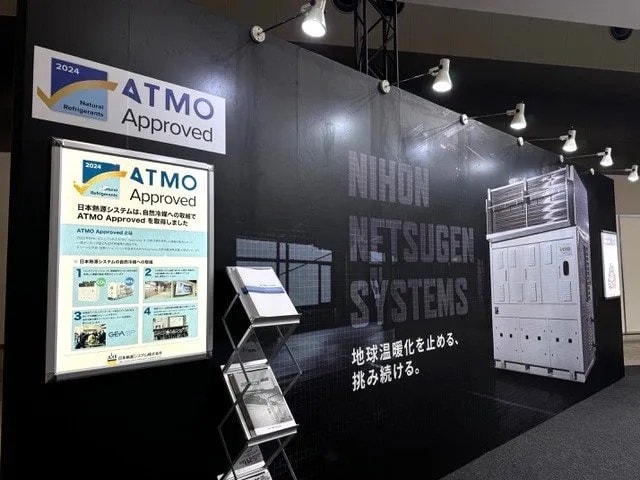
Nihon Netsugen Systems in the field
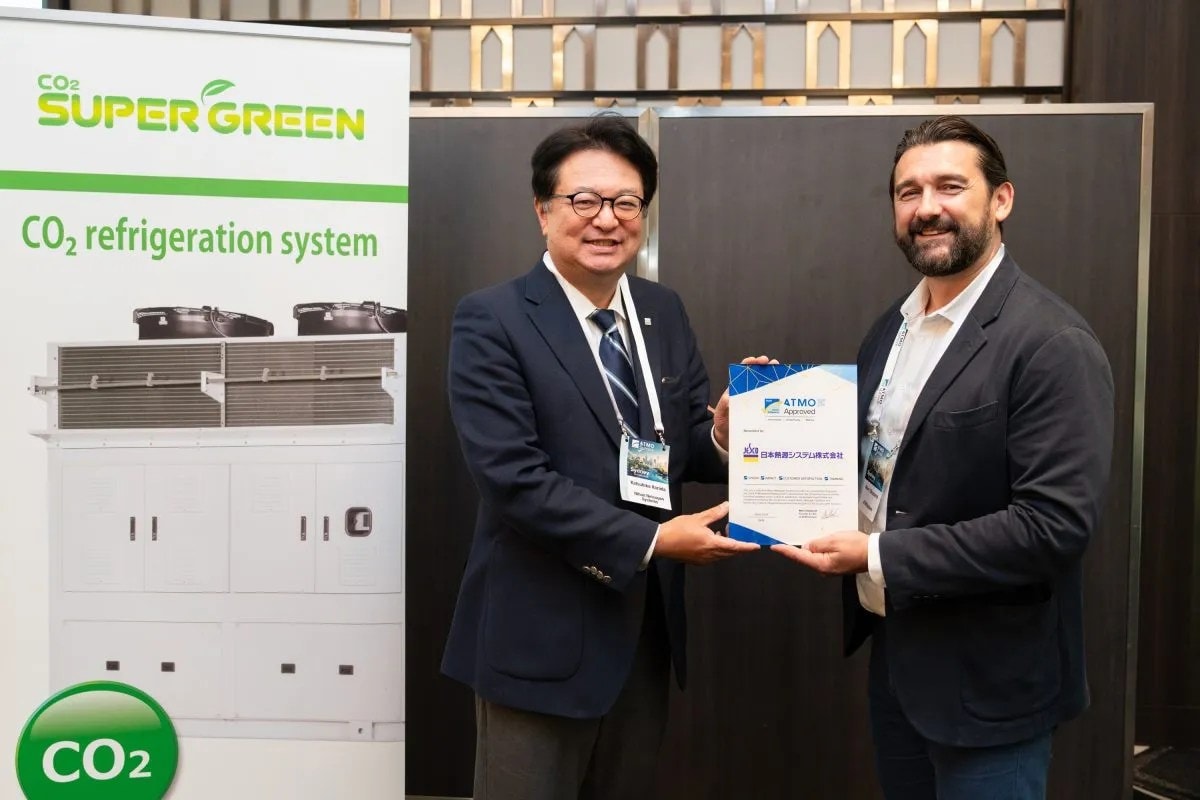
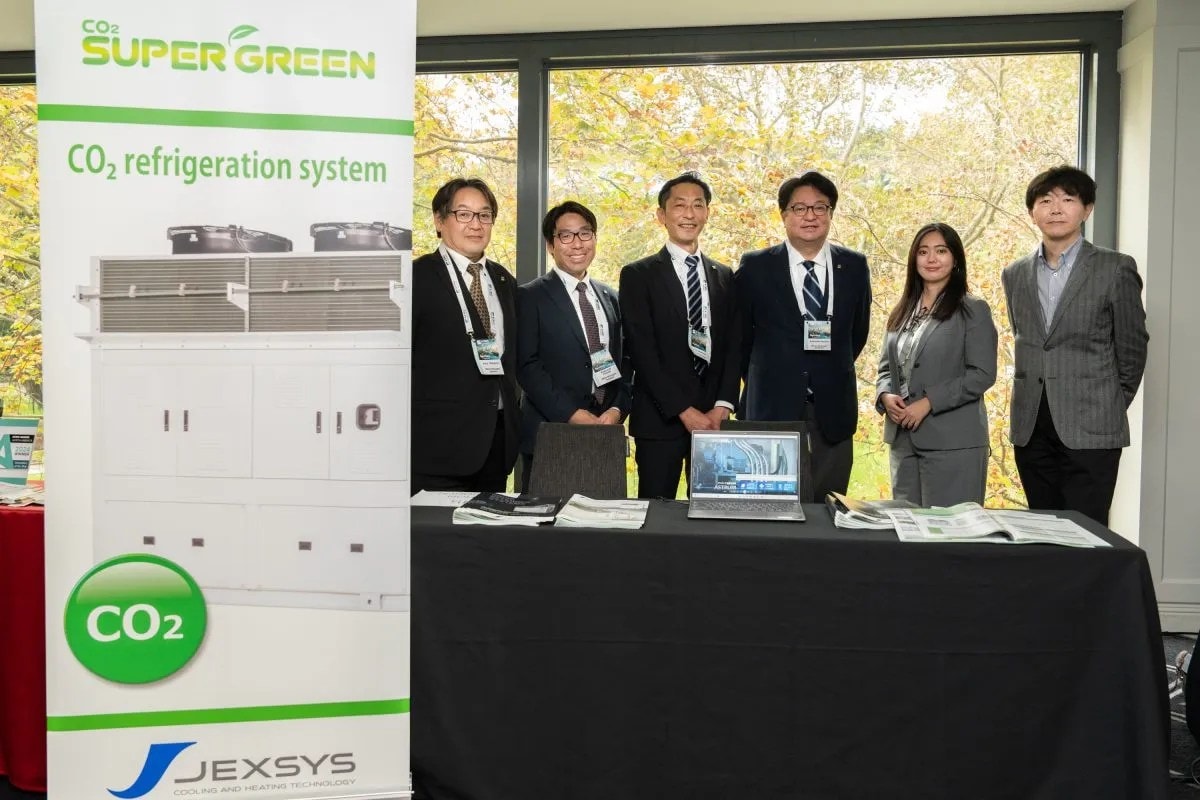
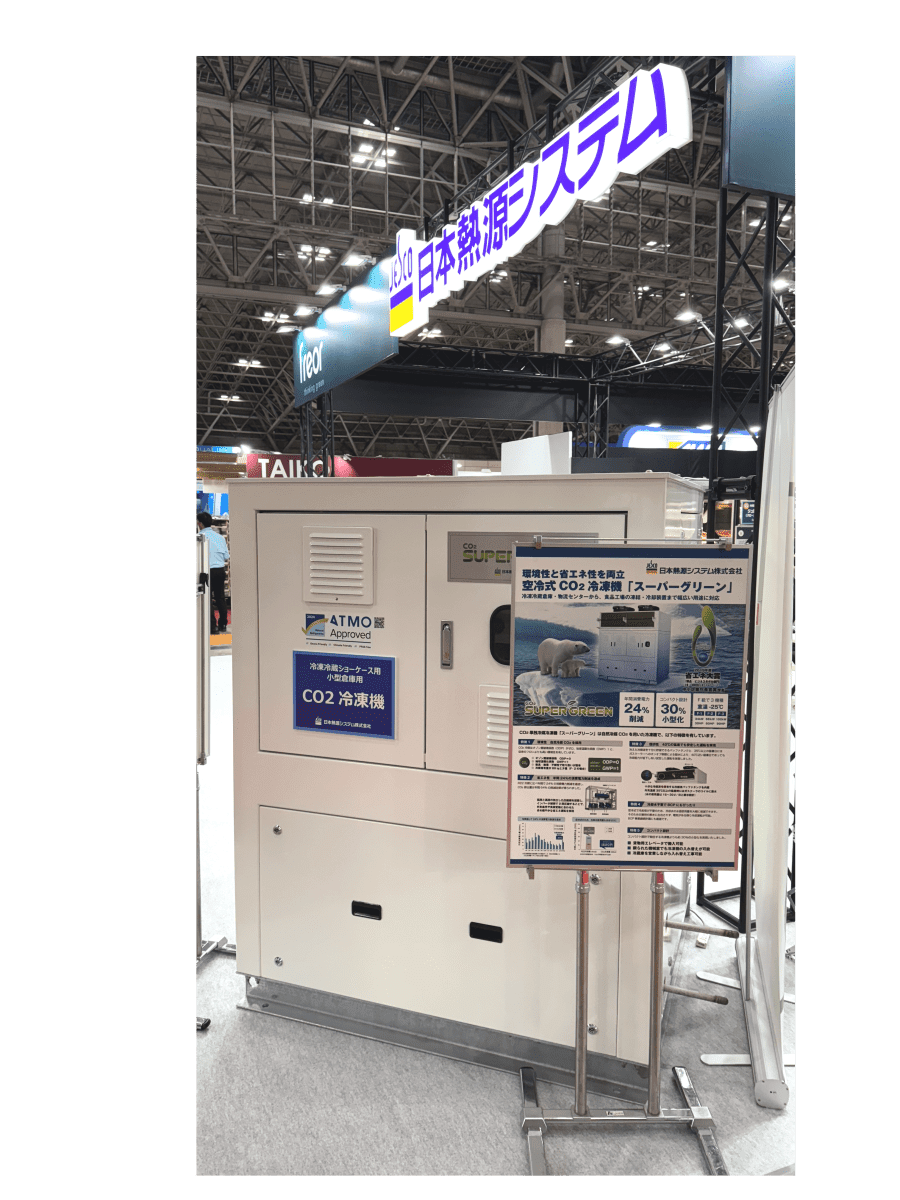
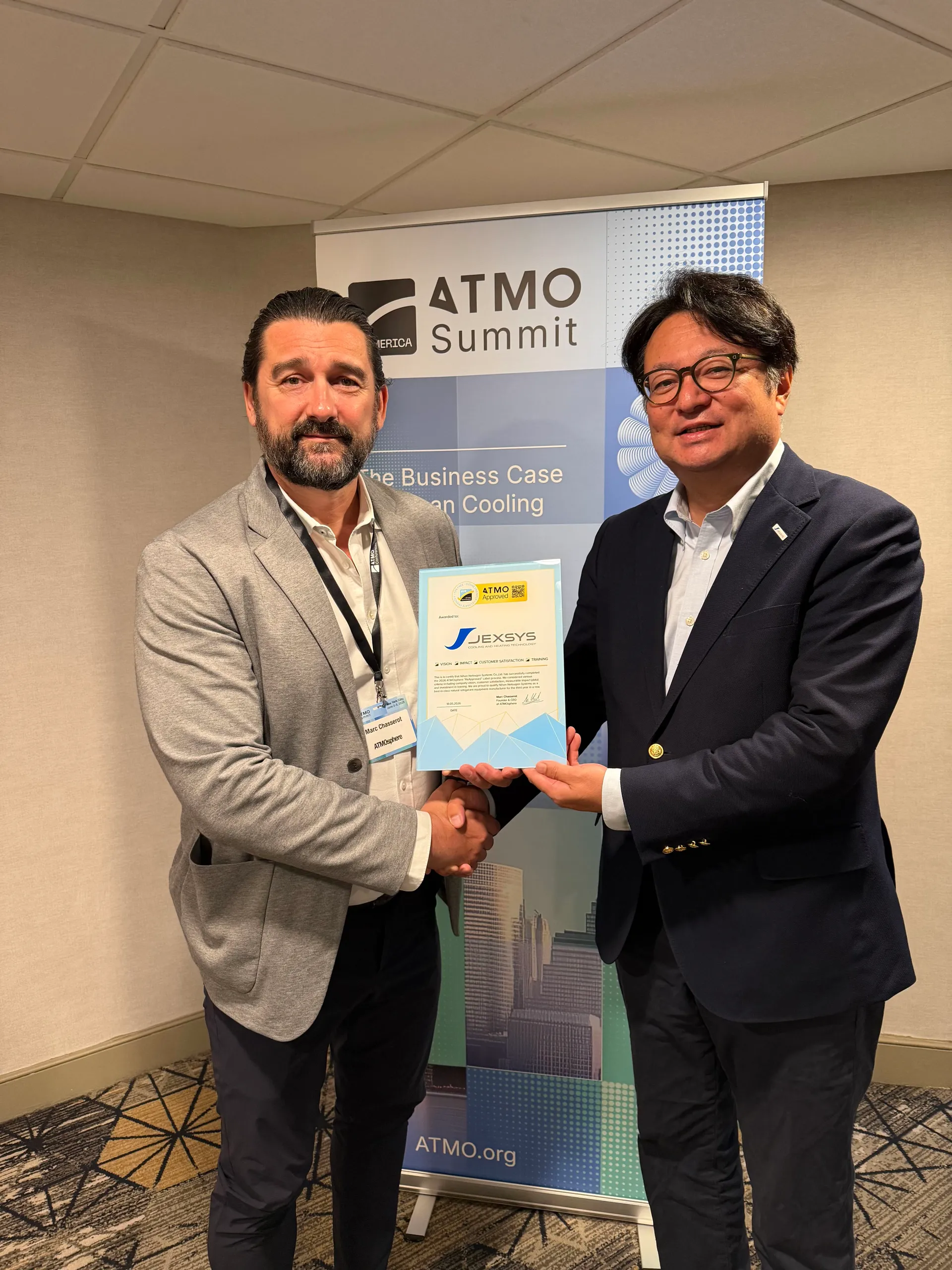
Become ATMO Approved
Does your company use natural refrigerants?
The ATMO Approved label is independently verified. Not self-declared, not marketing. If your equipment runs on CO₂, ammonia, hydrocarbons, or water, you may qualify.